Event JSON
{
"id": "af9d3606c3b453e94b9548e018268d8b76cb2a093ef188dd3ac8298dc3610716",
"pubkey": "b86894af7f544cdad086d4ec01384e91512f484914e6141795547f21268740dd",
"created_at": 1745130153,
"kind": 1,
"tags": [
[
"t",
"seafloor"
],
[
"t",
"Substrate"
],
[
"imeta",
"url https://s3.eu-central-2.wasabisys.com/mastodonworld/media_attachments/files/114/368/845/003/599/545/original/d607df7b55e6b37a.png",
"m image/png",
"dim 4077x2034",
"blurhash UHED3c~q?A^*Mx9ZD%E1Mbn%9bNHS4%2xvt7"
],
[
"proxy",
"https://mastodon.world/users/ombialik/statuses/114368849730185011",
"activitypub"
],
[
"client",
"Mostr",
"31990:6be38f8c63df7dbf84db7ec4a6e6fbbd8d19dca3b980efad18585c46f04b26f9:mostr",
"wss://relay.mostr.pub"
]
],
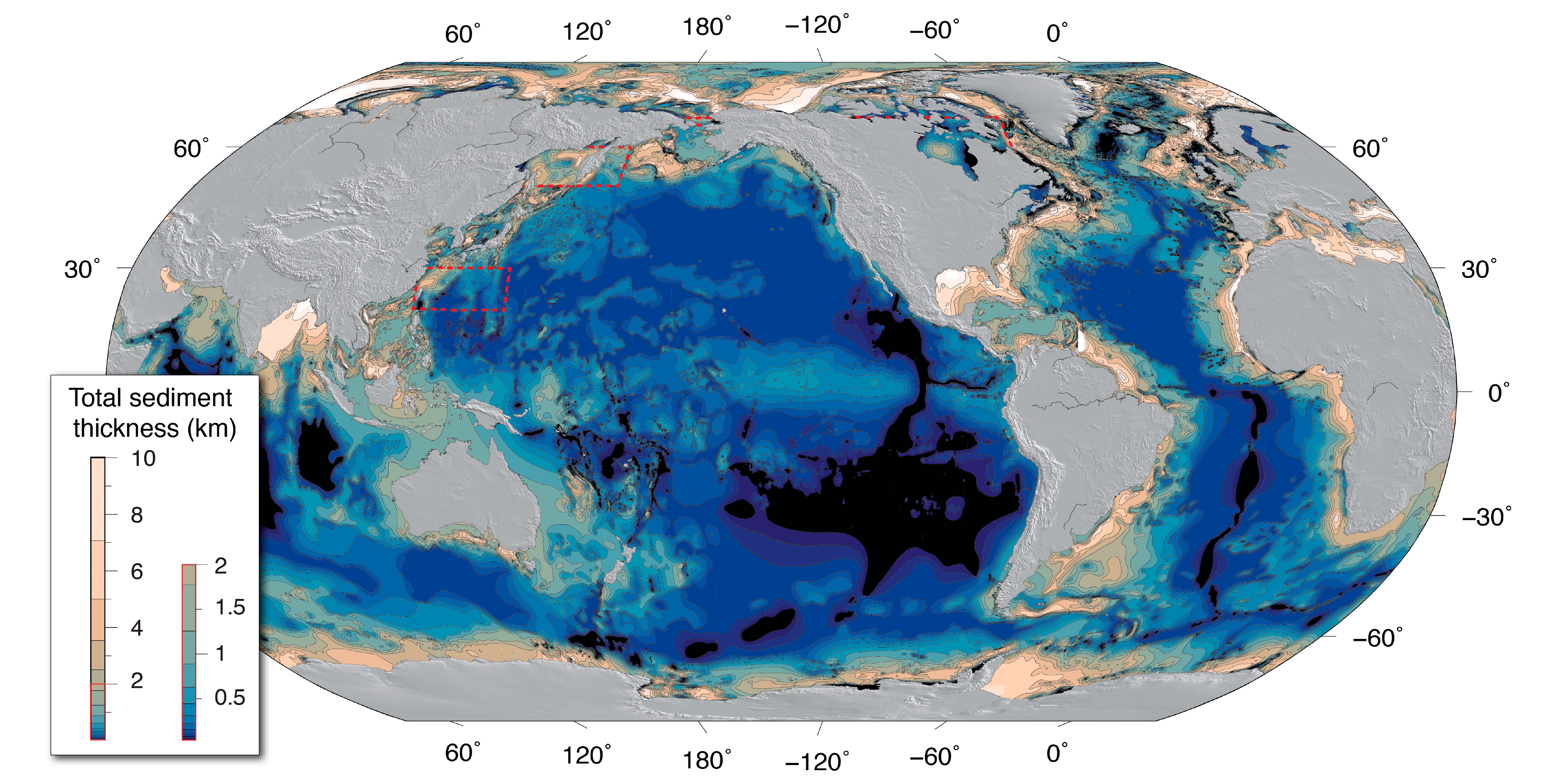
"content": "On average, there is less than a kilometer of sedimentary material between the #seafloor and the magmatic #substrate. Unless you're on a continental margin, then it's several kilometers.\n\nhttps://agupubs.onlinelibrary.wiley.com/doi/full/10.1029/2018GC008115\n\nThe maps of related to this study are on the NOAA servers, but for some reason, they are going to be removed soon. If this is relevant for you, back it up now.\n\nhttps://s3.eu-central-2.wasabisys.com/mastodonworld/media_attachments/files/114/368/845/003/599/545/original/d607df7b55e6b37a.png",
"sig": "823d22919459ba6c3377b124390d2278a8777366d7a2ac6921ca3552bb68bd14942102d11b42c72d0cbb388a6ee7ecb79ebf932531b4be1355c35c19b37891cc"
}