Event JSON
{
"id": "4be25ce23c39c8d793a060d79261e5a02bf9c4bd8d03f46aad04d8296e2964fd",
"pubkey": "7b3abbc2471c4eced6c2733c6562d81a57854ed751da78c49c476fc8bd7ae406",
"created_at": 1771495215,
"kind": 1,
"tags": [
[
"imeta",
"url https://wisskomm.social/system/media_attachments/files/116/096/708/186/727/308/original/90e7148d4c042b79.jpeg",
"m image/jpeg"
],
[
"proxy",
"https://wisskomm.social/@PIK_climate/116096710413163914",
"web"
],
[
"proxy",
"https://wisskomm.social/users/PIK_climate/statuses/116096710413163914",
"activitypub"
],
[
"L",
"pink.momostr"
],
[
"l",
"pink.momostr.activitypub:https://wisskomm.social/users/PIK_climate/statuses/116096710413163914",
"pink.momostr"
],
[
"-"
]
],
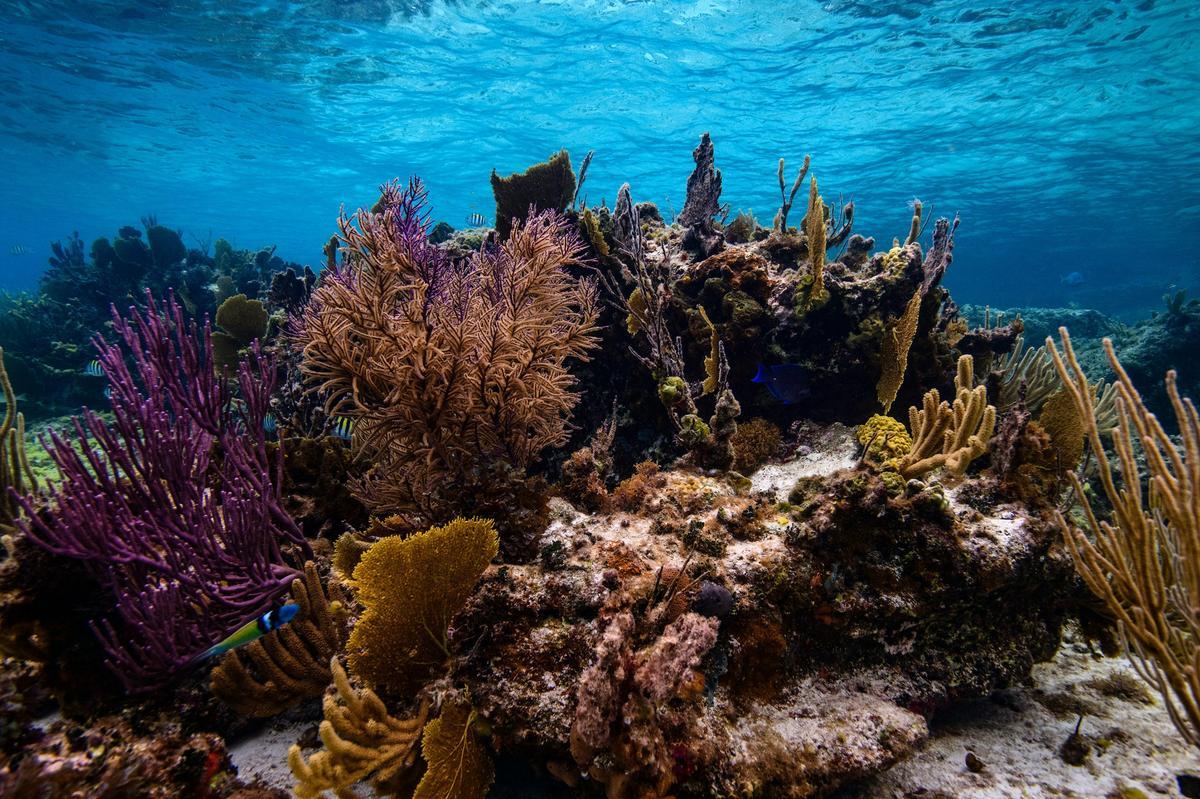
"content": "🆕 study: Global warming must stay below 2°C and return to 1.5°C as quickly as possible to reduce tipping point risks. Long term, temperatures must cool to 1°C above pre-industrial levels, scientists from University of Exeter, CICERO - Center for International Climate Research \u0026 PIK find. \n\n“It’s concerning that, even with a small and relatively brief overshoot of the 1.5°C target, up to five Earth system tipping points could be triggered ,” says PIK's Nico Wunderling. \n\n➡️ https://www.pik-potsdam.de/en/news/latest-news/global-warming-must-peak-below-2degc-to-limit-tipping-point-risks\nhttps://wisskomm.social/system/media_attachments/files/116/096/708/186/727/308/original/90e7148d4c042b79.jpeg\n",
"sig": "6c641d2ed1ae5df92a86981e2248c56112c9821edd312fbc6bd387bd28da3d31149ad7a0677e0e43be7f89436cb0b07d1c0197d3a3cf5d500c8cd768c4cf06b3"
}