Event JSON
{
"id": "e21fb3ca11e72987034ff21deb3c7df54b9d594da74cff3819582750f01fcdd9",
"pubkey": "bc4576760a1b4a243a4f588e3cd7c8aa163ba210b70015cedc710016f45513c6",
"created_at": 1738159167,
"kind": 1,
"tags": [
[
"t",
"headline"
],
[
"t",
"press"
],
[
"imeta",
"url https://media.mstdn.social/media_attachments/files/113/911/998/992/888/214/original/f63d69063e4b235d.webp",
"m image/webp"
],
[
"proxy",
"https://mstdn.social/@Free_Press/113911999200655323",
"web"
],
[
"t",
"usa"
],
[
"t",
"education"
],
[
"t",
"news"
],
[
"t",
"aurefreepress"
],
[
"proxy",
"https://mstdn.social/users/Free_Press/statuses/113911999200655323",
"activitypub"
],
[
"L",
"pink.momostr"
],
[
"l",
"pink.momostr.activitypub:https://mstdn.social/users/Free_Press/statuses/113911999200655323",
"pink.momostr"
],
[
"-"
]
],
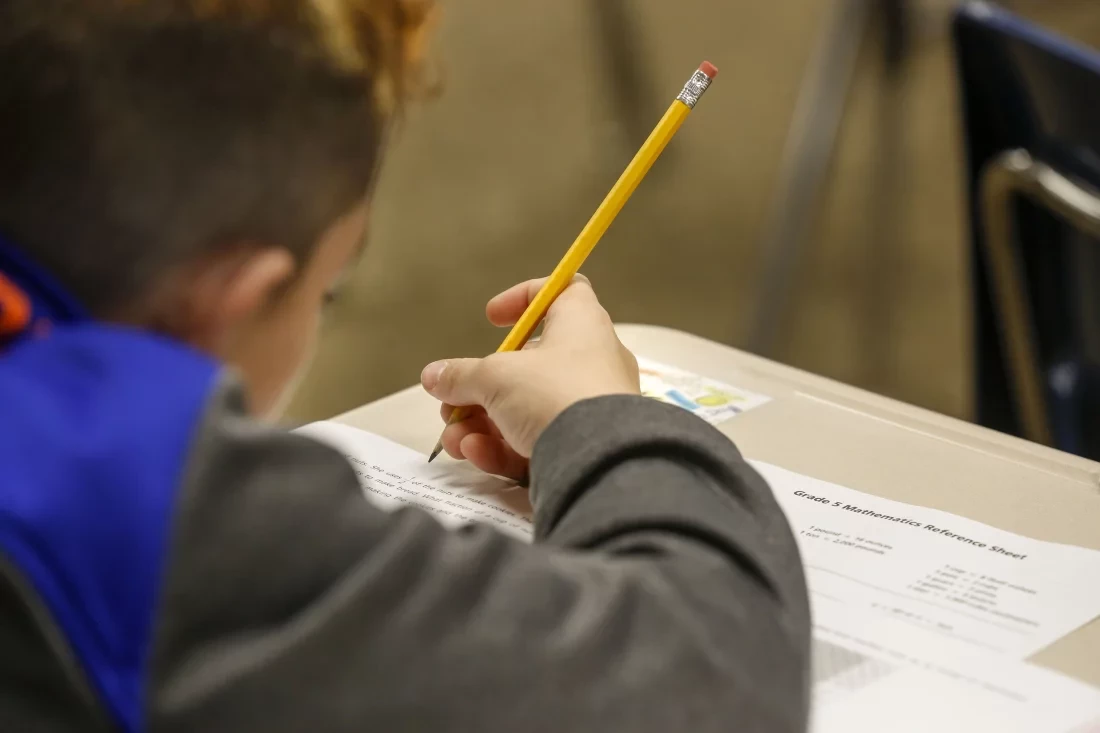
"content": "Nearly five years have passed since COVID-19 first disrupted America's schools, and new data, known as the Nation's Report Card, offers cause for hope — and concern.\n\nThe good news: In math, many students have made up at least some of the academic ground they lost during the pandemic.\n\nThe bad news: In both reading and math, most fourth- and eighth-graders in 2024 still performed below pre-pandemic 2019 levels.\n#AureFreePress #News #press #headline #Education #USA \n\nhttps://www.npr.org/2025/01/29/nx-s1-5270880/math-reading-covid-naep\nhttps://media.mstdn.social/media_attachments/files/113/911/998/992/888/214/original/f63d69063e4b235d.webp\n",
"sig": "ffeb3a8872d77394de4b138c50d8eed294947add1291ba7cc0b0bbd448b4b429838ffadb018118591557cb965014a52f83a0c3de45463c33a09faf4e2ad8e04a"
}