Event JSON
{
"id": "ec32ea24c7adc5ab0a1452d2413404d7e5cd21d43f65b321915c828fba560a21",
"pubkey": "53d93b9ee3cf665df01833eaa3004854213ef91c1e6ee076822ca73f7fbedc82",
"created_at": 1751983813,
"kind": 1,
"tags": [
[
"imeta",
"url https://cdn.masto.host/henshawsocial/media_attachments/files/114/818/010/015/388/743/original/9adbb1522a4154e9.webp",
"m image/webp",
"dim 1200x630",
"blurhash UIFFBE-OI]R+?bkE%0xZcuWAWYIq?vkDNHxt"
],
[
"proxy",
"https://henshaw.social/users/jon/statuses/114818011189961253",
"activitypub"
],
[
"client",
"Mostr",
"31990:6be38f8c63df7dbf84db7ec4a6e6fbbd8d19dca3b980efad18585c46f04b26f9:mostr",
"wss://relay.mostr.pub"
]
],
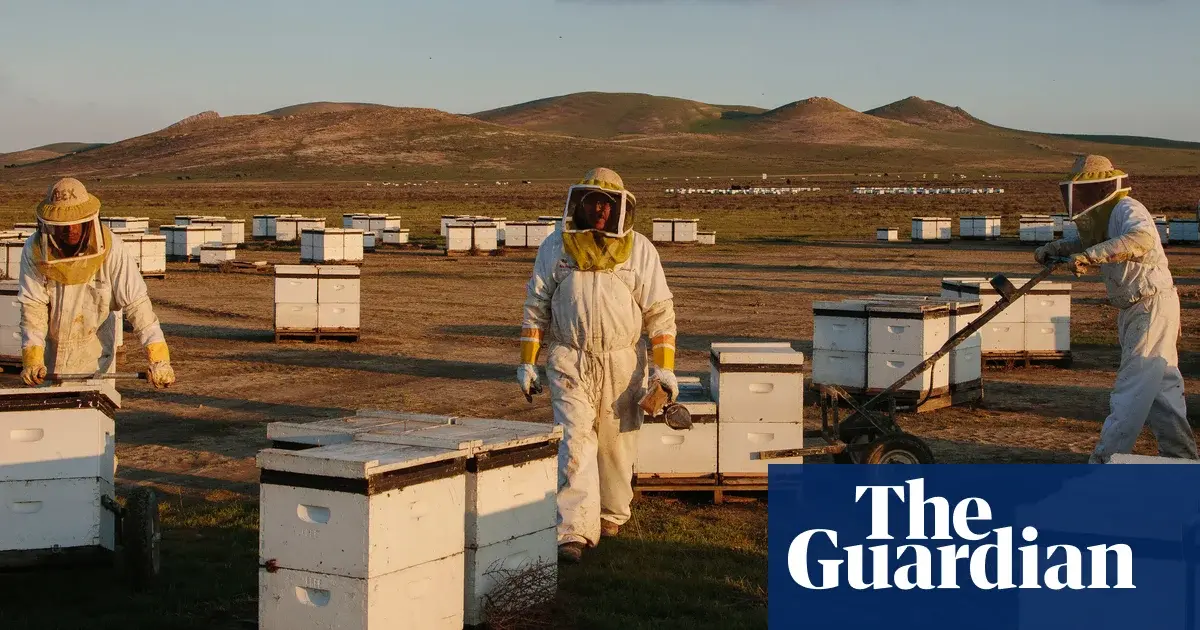
"content": "Scientists discover what’s driving record die-offs of US honeybees\n\n\"A research paper published by the US Department of Agriculture (USDA), though not yet peer-reviewed, has found nearly all colonies had contracted a bee virus spread by parasitic mites that appear to have developed resistance to the main chemicals used to control them.\"\n\nhttps://www.theguardian.com/environment/2025/jul/08/record-us-bee-colony-dieoffs-climate-stress-pesticides-silent-spring-aoe\n\nhttps://cdn.masto.host/henshawsocial/media_attachments/files/114/818/010/015/388/743/original/9adbb1522a4154e9.webp",
"sig": "4d932b0ff2fadb80cd113d5811d067198e3a68e7b1569aee4f59f721aff3bcecf0c39679b5936a33133995de1c52c4fe2c3e47a37be2e240e591946d48e74bd1"
}