Event JSON
{
"id": "3162d8fcd17ee0f6a6cb1dd3ba2115043615167e3566247b56d0ed3c42758d9a",
"pubkey": "fc12781e6898c7b2ebce36fd9c9ed38021bbc43abd90dab7083e6ab7d4aafb5a",
"created_at": 1772438883,
"kind": 1,
"tags": [
[
"imeta",
"url https://files.mastodon.social/media_attachments/files/116/158/552/509/275/016/original/97ba7ee0705c764b.png",
"m image/png"
],
[
"proxy",
"https://mastodon.social/@esoastronomy/116158554663769497",
"web"
],
[
"t",
"astrodon"
],
[
"t",
"science"
],
[
"t",
"space"
],
[
"t",
"astrophysics"
],
[
"t",
"astronomy"
],
[
"proxy",
"https://mastodon.social/users/esoastronomy/statuses/116158554663769497",
"activitypub"
],
[
"L",
"pink.momostr"
],
[
"l",
"pink.momostr.activitypub:https://mastodon.social/users/esoastronomy/statuses/116158554663769497",
"pink.momostr"
],
[
"-"
]
],
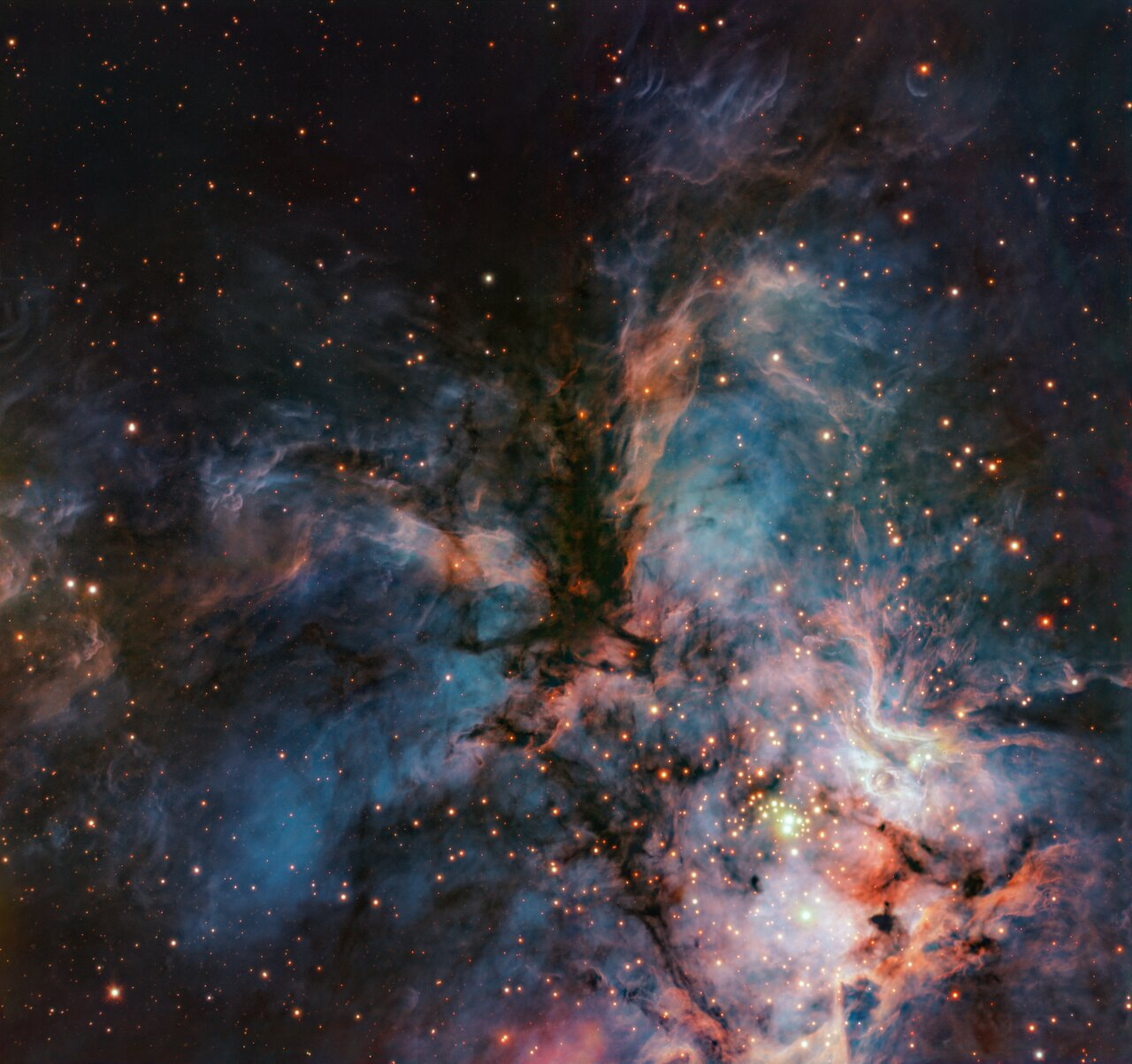
"content": "A cosmic hawk and its starry eyasses 🐦\n\nWhat looks like a hawk spanning its wings above massive newly born stars is the RCW 36 nebula.\n\nNow, a team of astronomers has used, yes, the HAWK-I instrument on our VLT to study the very dim stars called brown dwarfs hidden in the nebula and how they form: https://www.eso.org/public/images/potw2609a/\n\n📷 ESO/A. R. G. do Brito do Vale et al.\n\n#astrodon #astronomy #astrophysics #space #science\nhttps://files.mastodon.social/media_attachments/files/116/158/552/509/275/016/original/97ba7ee0705c764b.png\n",
"sig": "3906a27651aad7596b89a918abf77bb9702b2cc4d5a36cd52605e45825b8dc5a817ba184280b744ee336d1059acefda05095f0f8c9b367469cb52bf25dd1d497"
}