Event JSON
{
"id": "35d3bc3c0c1b043c421a08ff13bceb5193c211afc2b3d6517ddf717e132aecee",
"pubkey": "941946f3cf93b3a00e4dae63ac443b06142ada17dac564978178ff7246cf83e2",
"created_at": 1729048447,
"kind": 1,
"tags": [
[
"imeta",
"url https://ecoevo.social/system/media_attachments/files/113/314/849/273/036/648/original/265c7a856efafda9.jpeg",
"m image/jpeg"
],
[
"t",
"weevilwednesday"
],
[
"t",
"insects"
],
[
"proxy",
"https://ecoevo.social/@rspfau/113314919037992102",
"web"
],
[
"t",
"beetles"
],
[
"t",
"macrophotography"
],
[
"proxy",
"https://ecoevo.social/users/rspfau/statuses/113314919037992102",
"activitypub"
],
[
"L",
"pink.momostr"
],
[
"l",
"pink.momostr.activitypub:https://ecoevo.social/users/rspfau/statuses/113314919037992102",
"pink.momostr"
],
[
"-"
]
],
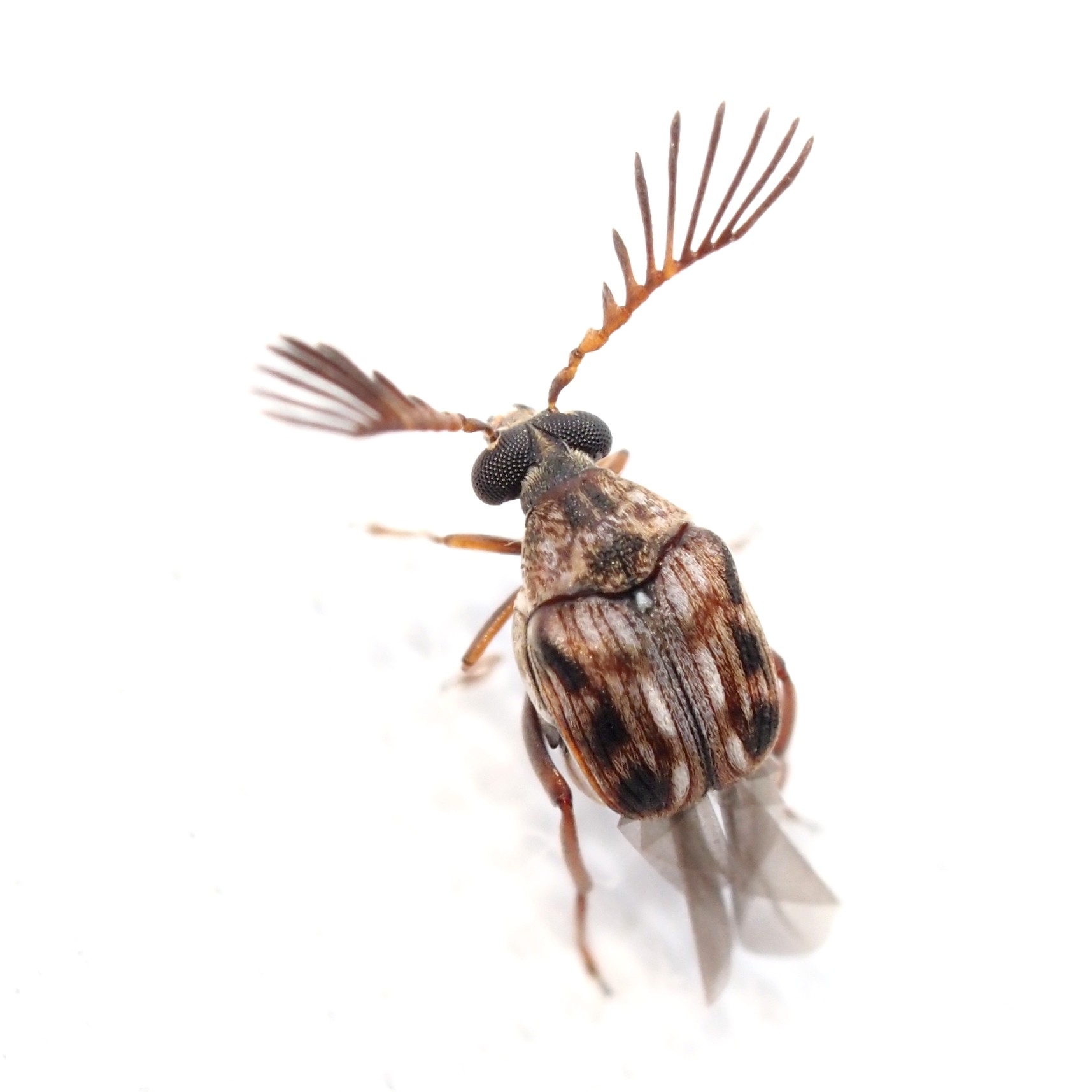
"content": "#WeevilWednesday \n\nMegacerus cubiculus aren't true weevils--they're in the family Chrysomelidae (Leaf Beetles) or in a family of their own (Bruchidae). They're called weevils because the larvae feed on and develop inside seeds of morning glories. They don't have a common name, but cubiculus means \"little cube\" (because of their body shape) and Megacerus means \"large horned\". So we could call them large-horned little cube beetles. Adults are about 2.5 mm long.\n\n#Insects #Beetles #MacroPhotography\nhttps://ecoevo.social/system/media_attachments/files/113/314/849/273/036/648/original/265c7a856efafda9.jpeg\n",
"sig": "fd3d162764d75aea346e8e21d4b5af14fd24a00a281f57b45ce3e4107663945b5426256e008828805f83bcb15a1303e03eb670b54be0b4a4ca26c115ae7a02fc"
}