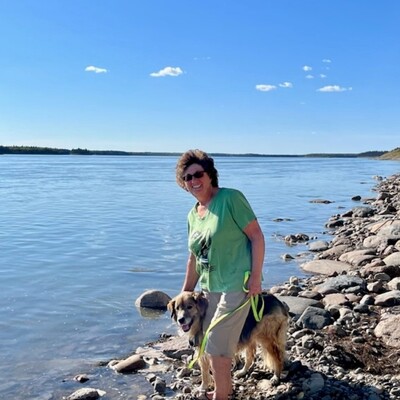
“As we get warmer #water with less ice cover, you’re more likely to extend the growing season so there’s more opportunity for these cyanobacteria to grow,” even in an inland ocean like Great Slave Lake. https://cabinradio.ca/249051/news/environment/algal-blooms-becoming-more-common-in-great-slave-lake/
#climatechange #waterisLife #subArctic
LM Little
npub1t5…4nr99
2025-07-19 17:37:34 UTC
Author Public Key
npub1t5a0spa67rgs6l2gnw6vx2khzx3c304avr39glf4qr86vnsdejps64nr99Seen on
wss://relay.momostr.pinkPublished at
2025-07-19 17:37:34 UTCEvent JSON
{
"id": "1541c71460244d28a626fd96bc54b50c47a7c9af186719c46038c4c6640a3750",
"pubkey": "5d3af807baf0d10d7d489bb4c32ad711a388bebd60e2547d3500cfa64e0dcc83",
"created_at": 1752946654,
"kind": 1,
"tags": [
[
"proxy",
"https://mastodon.social/@miki_lou/114881111971837471",
"web"
],
[
"t",
"waterislife"
],
[
"t",
"subarctic"
],
[
"t",
"water"
],
[
"t",
"climatechange"
],
[
"proxy",
"https://mastodon.social/users/miki_lou/statuses/114881111971837471",
"activitypub"
],
[
"L",
"pink.momostr"
],
[
"l",
"pink.momostr.activitypub:https://mastodon.social/users/miki_lou/statuses/114881111971837471",
"pink.momostr"
],
[
"-"
]
],
"content": "“As we get warmer #water with less ice cover, you’re more likely to extend the growing season so there’s more opportunity for these cyanobacteria to grow,” even in an inland ocean like Great Slave Lake. https://cabinradio.ca/249051/news/environment/algal-blooms-becoming-more-common-in-great-slave-lake/ \n\n#climatechange #waterisLife #subArctic",
"sig": "44d2bf503220f62861e0bb111c7483d7578e21367073b30be8dbe68ca5fad192eb9907499ed2856a8c8167d5c28e71e1b1fd225fd1688ac3406340f255850601"
}