Event JSON
{
"id": "84a228cf013b777bcf340a9ff9bcac5a49f1e605ddbe6aaf188a1630891cd27c",
"pubkey": "82c0e8b2ee3c93a79256c20e2c19d03f94e1ab954aaf50b1e405875130510b24",
"created_at": 1708693620,
"kind": 1,
"tags": [
[
"t",
"digitalhistory"
],
[
"t",
"history"
],
[
"t",
"histodons"
],
[
"proxy",
"https://historians.social/@dbellingradt/111980945139369398",
"web"
],
[
"imeta",
"url https://media.historians.social/media_attachments/files/111/980/934/462/736/102/original/305fbeebfe42c326.jpg",
"m image/jpeg"
],
[
"t",
"bookhistory"
],
[
"proxy",
"https://historians.social/users/dbellingradt/statuses/111980945139369398",
"activitypub"
],
[
"L",
"pink.momostr"
],
[
"l",
"pink.momostr.activitypub:https://historians.social/users/dbellingradt/statuses/111980945139369398",
"pink.momostr"
],
[
"-"
]
],
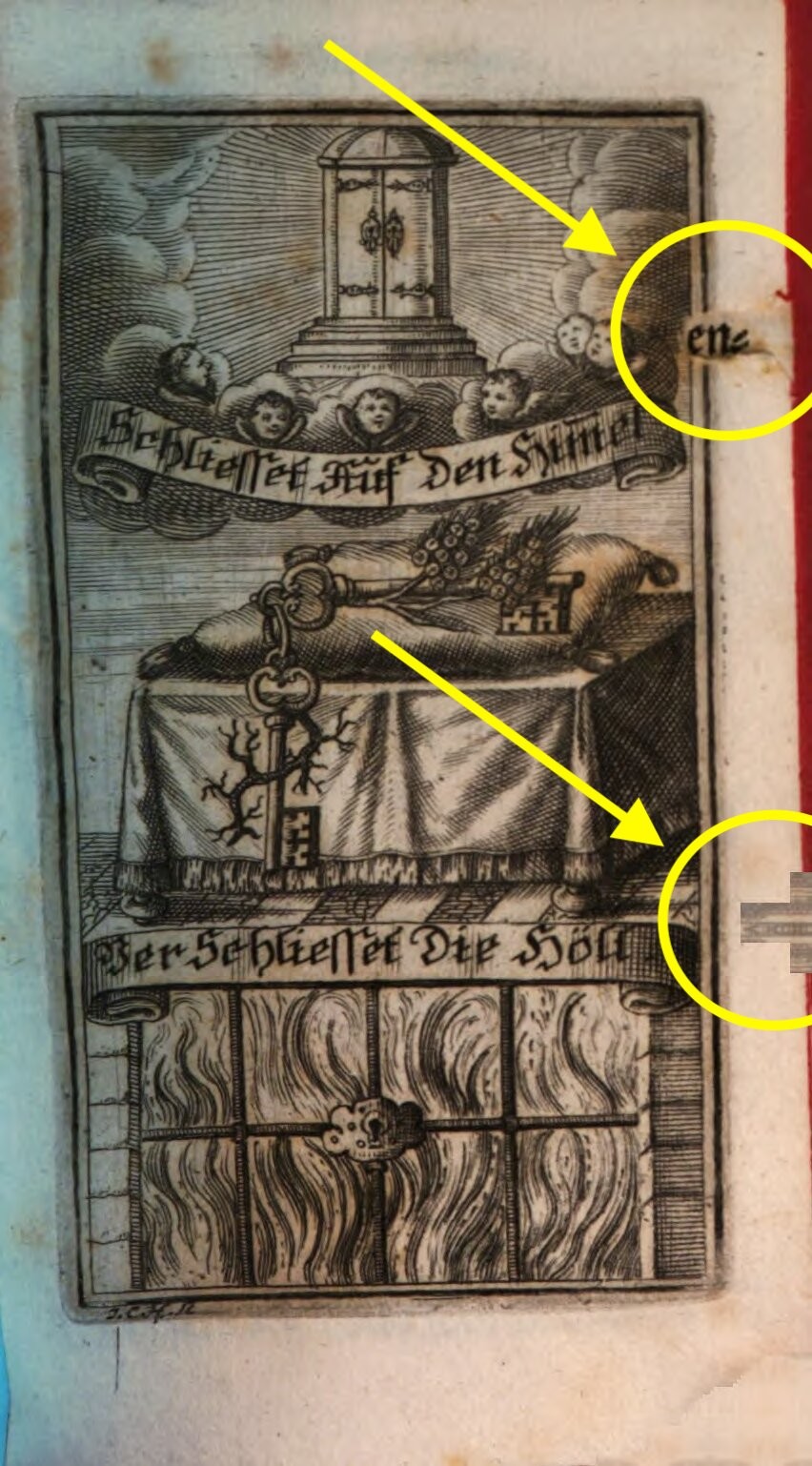
"content": "And this happens when fingers that were used to hold down a book's page to be scanned were captured, and a software \"repairs\" this space automatically afterwards. In short: the scanned image is corrected by filling the problematic space with new content. In this case, this filling didn't fit too well: you see a \"en=\" text part from a different print, and some very bad pixel space. Welcome to the complex digital narrative of old printed books.\n\n#bookhistory #digitalhistory #history #histodons\nhttps://media.historians.social/media_attachments/files/111/980/934/462/736/102/original/305fbeebfe42c326.jpg\n",
"sig": "3a1fdfee2d453600a81363b7a2d092844968bb4043f08834140c02db109e8ba34beec3c5f662b5b4345fd5dc59f637d08d52907d3d7e2a978025e7a13663b119"
}