Event JSON
{
"id": "a4ce850bd3e27c0c47fca8219fa816bc4b3582db972a49bfa2e255299b39c105",
"pubkey": "efe242cbc638659f67c47d52c6a1b0722b9751d178718aa9cb3633de75704ac9",
"created_at": 1789816565,
"kind": 1,
"tags": [
[
"imeta",
"url https://s3.masto.ai/media_attachments/files/117/297/418/299/330/603/original/1f19654ab5a7cae7.jpg",
"m image/jpeg"
],
[
"proxy",
"https://masto.ai/@hackaday/117297418406830331",
"web"
],
[
"t",
"projects"
],
[
"t",
"hacking"
],
[
"proxy",
"https://masto.ai/users/hackaday/statuses/117297418406830331",
"activitypub"
],
[
"L",
"pink.momostr"
],
[
"l",
"pink.momostr.activitypub:https://masto.ai/users/hackaday/statuses/117297418406830331",
"pink.momostr"
],
[
"-"
]
],
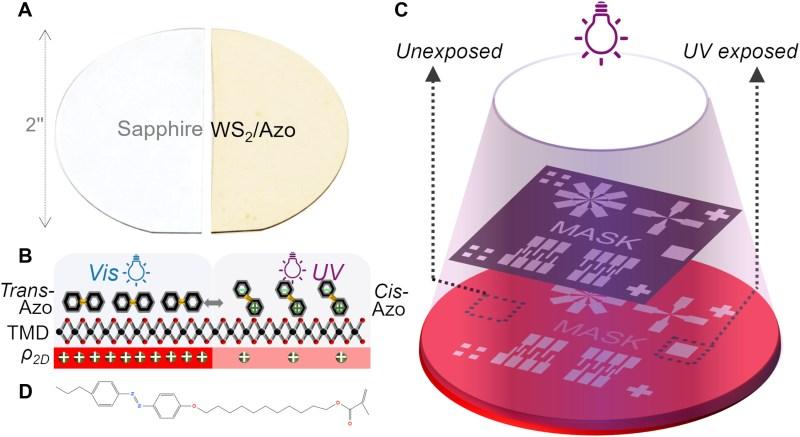
"content": "Using Azo Photoisomerization to Alter Semiconductor Film Properties\n\nGenerally semiconductor devices like transistors have fixed properties, but using an azobenzene (Azo) compound it’s possible to optically alter these properties by exposing them to UV light. This is demonstrated …read more\n#hacking #projects\nhttps://hackaday.com/2026/09/19/using-azo-photoisomerization-to-alter-semiconductor-film-properties/\nhttps://s3.masto.ai/media_attachments/files/117/297/418/299/330/603/original/1f19654ab5a7cae7.jpg\n",
"sig": "aa53bd0adc7da3663c471453e2aa43b227b1d638219f2486210c40bcd8641784ab3e602d64d985df67b2b6d852985536c0fd87ff02061145a0b88615ca442da4"
}