Event JSON
{
"id": "f5ba3f20d0143ed4f61a76e7cdf08b9c2df096ac61f9c98ed8f5d520fdd3fe2d",
"pubkey": "3987ab5200fb1fee2e8701ce3953e05ff1f64cd45f296b097ef1db86a50fbeba",
"created_at": 1774886769,
"kind": 1,
"tags": [
[
"proxy",
"https://noc.social/@todayilearned/116318979308098640",
"web"
],
[
"t",
"todayilearned"
],
[
"t",
"til"
],
[
"imeta",
"url https://noc.social/system/media_attachments/files/116/318/979/132/868/049/original/0ea75020dd05223d.jpg",
"m image/jpeg"
],
[
"proxy",
"https://noc.social/users/todayilearned/statuses/116318979308098640",
"activitypub"
],
[
"L",
"pink.momostr"
],
[
"l",
"pink.momostr.activitypub:https://noc.social/users/todayilearned/statuses/116318979308098640",
"pink.momostr"
],
[
"-"
]
],
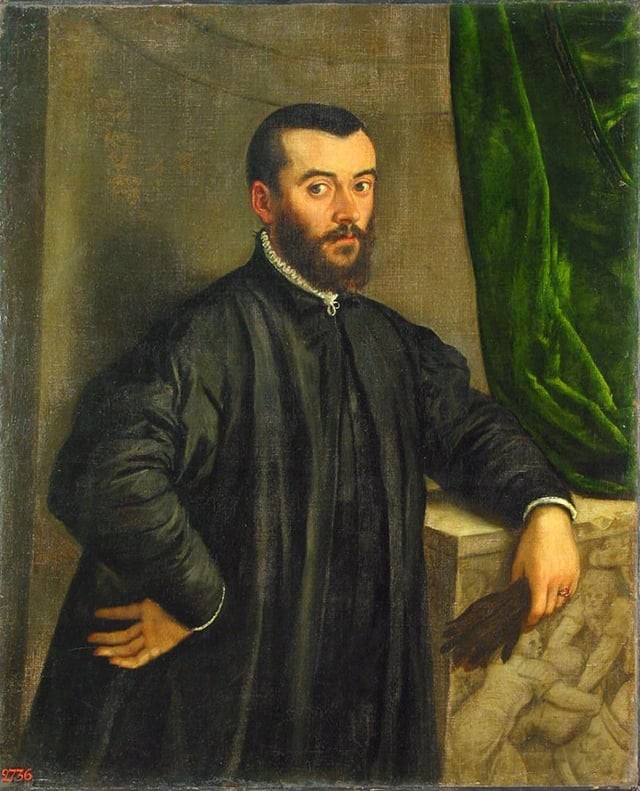
"content": "TIL Although Galen's understanding of human anatomy remained a standard in european medicine for over 1000 years, he based all of his knowledge on studying macaque monkeys, since dissecting human corpses was taboo in roman times. Nobody noticed this issue until Andreas Vesalius in the 16th century\n\nhttps://en.wikipedia.org/wiki/Andreas_Vesalius#Medical_career_and_accomplishments\n#til #todayilearned\nhttps://www.reddit.com/r/todayilearned/comments/1s7uet1/til_although_galens_understanding_of_human/\nhttps://noc.social/system/media_attachments/files/116/318/979/132/868/049/original/0ea75020dd05223d.jpg\n",
"sig": "2e6d62ff76fbce7ae860dc3a4f96a49c5dd9c1346232440c1b5827003275faf6bcc2a605ce581cbd3948206314460ab258c7403b8055289270d317e4c633fbe0"
}